
by: Melanie Nelson
You don’t need to panic—just prepare. Disasters don’t announce themselves, and they don’t wait for you to feel ready. But with clear steps in place, you can move with purpose instead of fear. This isn’t about stockpiling for doomsday—it’s about staying functional when systems fail. Preparation is calm in motion. Start now, not later.
Identify Your Local Risks
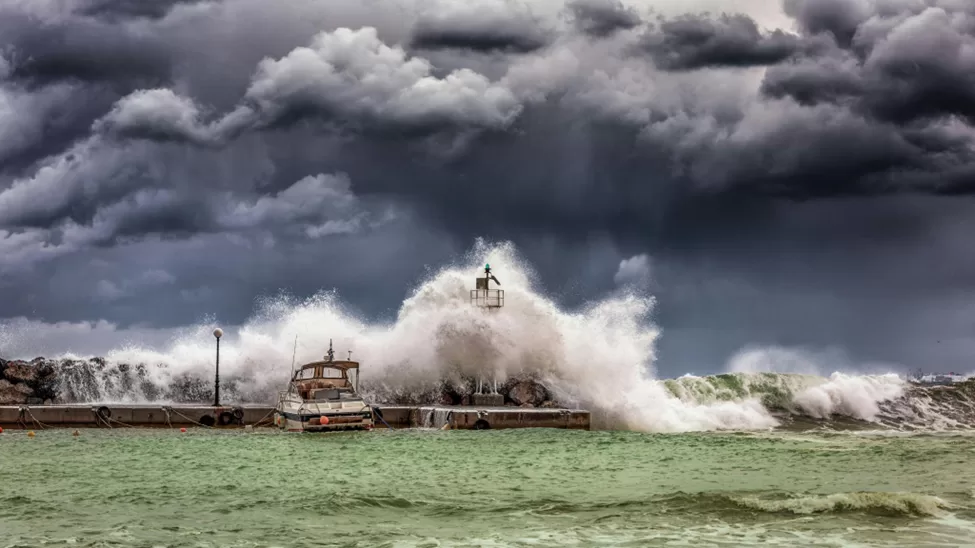
Before you think about what to pack or buy, you have to know what you’re planning for. Tornado zones think differently than floodplains. Earthquakes need different actions than wildfires. It starts with learning the threats that are native to your region—not just what’s trending on the news. Whether you’re in a city, on the coast, or somewhere that floods in a freak spring thaw, the right moves stem from context. Prepare and make a list of realistic risks based on geography and history. You can then begin to match risks to threats with an actual action spine—not just vague intentions.
Digitize the Essentials
Paper burns, ink fades, and wallets get lost. In an emergency, time and access matter more than format. Having your IDs, prescriptions, insurance policies, emergency contacts, and medical info scanned and backed up gives you options when systems fail. You want these documents in a format that opens on any phone, laptop, or borrowed device—no logins, no obscure file types. Using a fast PDF converter to standardize your files can save hours, frustration, and missed care. Keep copies offline, in the cloud, and with someone you trust. When chaos hits, information isn’t just power—it’s proof.
Build a Lightweight Emergency Kit
There’s a difference between “prepared” and “buried in stuff.” You want portability, not a bunker fantasy. A good go-kit should feel like an extension of your daily life—backups for hydration, power, light, ID, meds. Focus on mobility: what can you grab in 30 seconds and carry for a mile? Choose pouches over bins, packs over trunks. Think about the weight your kids or parents can manage. Instead of overbuying gear, build toward a carry-anywhere emergency survival supply list that you refine every six months. If it feels clunky, you won’t bring it—and then it won’t help you.
Prepare to Act Before Disasters Strike
No warning will ever feel long enough. Waiting for “official confirmation” wastes precious hours. The best outcomes usually come from people who left early, moved fast, or shifted plans while others hesitated. That kind of readiness isn’t adrenaline—it’s rhythm. It’s texting your relatives ahead of a storm instead of during it. It’s knowing where your pets will go, not improvising with fear in your throat. Start thinking now: If the lights went out tonight, what would you need to still feel like yourself? That’s how you take action before your situation unravels—with agency and direction, not guesswork and guilt.
Work Continuity Without a Location
Your house isn’t your business. And your team shouldn’t break just because your ZIP code did. For remote-first companies, freelancers, or digital workers, disaster continuity is more than backups—it’s knowing how you’ll operate if one location is out of play. What happens if your primary laptop fries? If power’s down for a week? It starts by outlining remote continuity planning strategies that prioritize communication flows, cloud access, decision-makers, and fallbacks. Don’t rely on Slack or email alone. Prepare by layering in redundancy, assign clear pivots, and rehearse the switch. Work doesn’t stop—but it has to flex.
Cultivate Preparedness as Self-Care
This isn’t about hoarding supplies or living scared. Prepping, when done right, looks a lot like self-respect. You breathe easier when you know you’ve done the work ahead of time. You sleep better when you’ve got meds on hand and a flashlight within reach. Readiness doesn’t have to be grim—it can be an act of kindness to your future self. Add it to your rhythm: check your kit when you change the clocks, revisit your plan on birthdays. Normalize it like brushing your teeth. Reframe household readiness as personal resilience work that builds confidence, not anxiety.
Organize and Prepare Finances Ahead of Crisis
Banking apps and digital wallets are great—until there’s no signal. When systems go down, cash still works. Know where your money is, how to access it offline, and who can help you move it in a pinch. Set up automatic transfers, alert preferences, and designate someone who can legally act on your behalf. Print key account info, but store it safely. Review your insurance deductibles and gaps while it’s calm—not when glass is shattering or floodwaters are rising. Think through how to set up your finances ahead of emergencies so you’re not stuck figuring out logistics while exhausted and displaced.
You won’t control when disaster hits—but you can control what you’ve already done. Every clear step now is a gift to your future self. Emergencies strip things down fast. What’s left should be useful, reachable, and familiar. Preparedness isn’t fear—it’s quiet confidence. Prepare like it matters, because it does.
Discover how Restoration Affiliates can help you respond, restore, and recover swiftly from any disaster with their national coverage and local expertise. Visit their site to find an affiliate near you and ensure you’re prepared for the unexpected!